
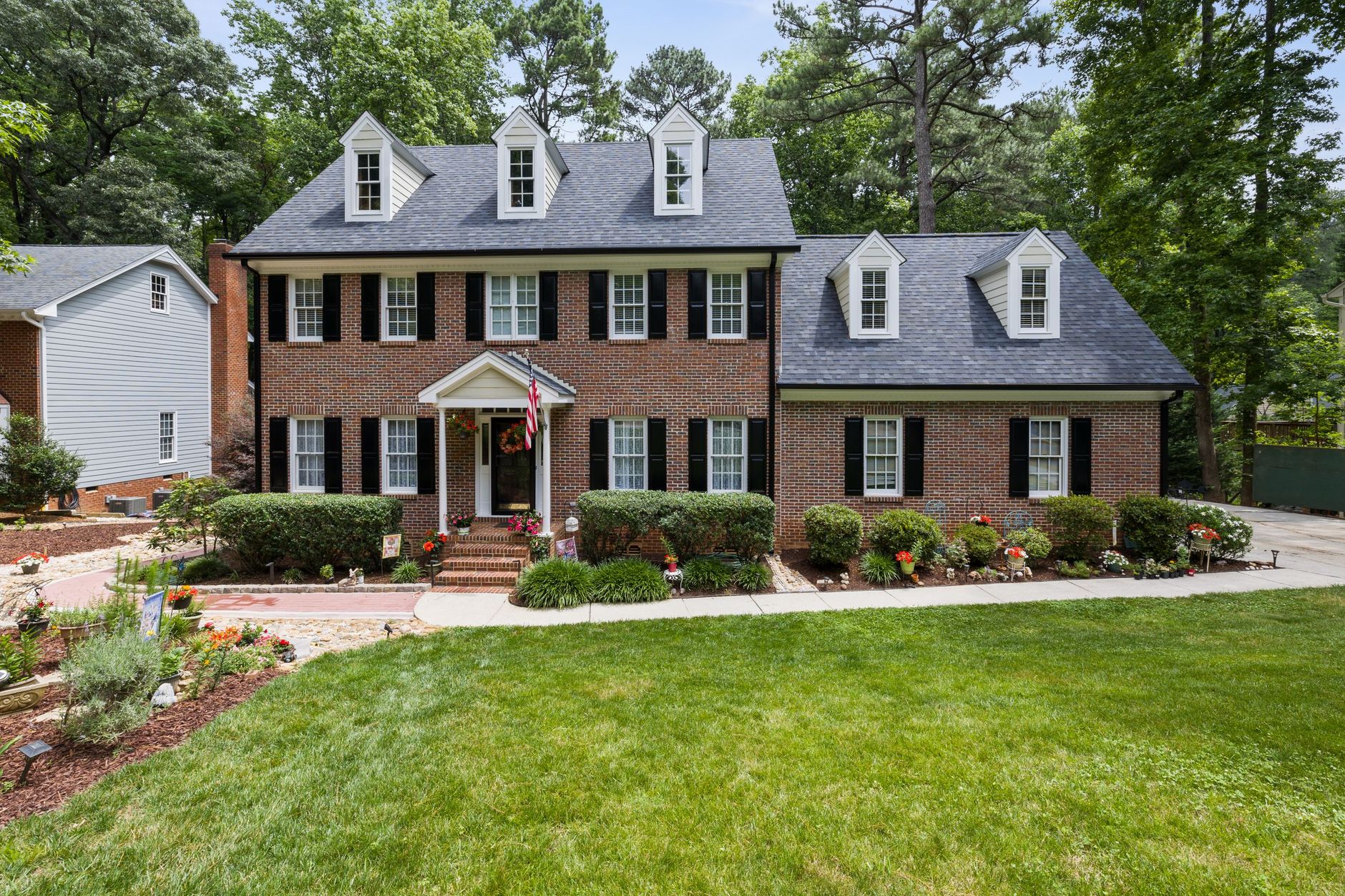
Swap the Woodpile for a Gas Fire in Rosemead
Logs, inserts and repairs, with the chimney work to back them
Pick the card closest to what you need. Unsure? A fireplace inspection tells us which gas option your opening can take.
Chimney Sweep
Tar and soot cleared from a wood flue, whether you keep burning logs or want it ready before a gas conversion.
Chimney Inspection
A written read on flue, crown and firebox, done before you choose a gas option or decide to keep burning wood.
Chimney Repair
Broken tiles, open joints and a tired crown mended so the flue keeps working, or can take a gas liner later.
Fireplace Inspection
An in-room check of firebox, damper, hearth and mantel spacing, aimed at whether gas logs or an insert will fit.
Fireplace Repair
Firebrick, refractory panels, dampers and hearths repaired so the opening is sound before a gas set goes in.
Chimney Level 2 Inspection
A recorded camera pass up the flue, with attic and roof checks, for a sale, a quake or a planned switch to gas.
Chimney Cap Installation
Stainless or copper tops fitted over the flue, chosen to suit a wood fire, an open gas log set or a lined insert.
Chimney Flashing Repair
Metal at the roof line around the stack resealed, so winter rain stops reaching the attic and the new gas install.
Chimney Masonry Repair
Worn joints, flaking faces and loose courses on brick stacks put right with mortar that suits the old work.
Chimney Rebuilds
Stacks past repair taken down and built back, sometimes shorter or lighter when the house is moving to gas.
Fireplace Cleaning
Firebox ash, soot on the walls and haze on the doors cleared, with the floor covered while we work.
Gas Fireplace Cleaning
Yearly service on gas units: burner, pilot, glass and vent cleared, with a carbon monoxide reading before we leave.
Gas Fireplace Repair
Pilots that drop, sparkers that fire with no flame and burners that run weak, tested part by part and fixed.
Fireplace Remodel
A new face for the fireplace, often planned together with a gas insert or log set, in stone, tile or plaster.
Fireplace Inserts
Gas inserts set into the firebox you have, with a full-height liner, turning an open hearth into a sealed heater.
Pellet Stove Repair
A stove that stalls halfway through a hopper, or will not light at all, gets its failed part traced and its exhaust pipe cleared.
Wood Stove Repair
Door seals, firebrick, baffles and stovepipe on wood stoves renewed, or the stove weighed against a gas swap.
Gas Logs
Ceramic logs on a gas burner placed in the fireplace you already have, with the line, valve and controls run to it.
Chimney Seismic Retrofit
Old brick stacks braced, strapped or cut down and built back lighter, often planned alongside a move to gas.
Chimney Crown Repair
Cracked or crumbling chimney tops sealed or poured fresh, so water leaves the stack instead of sinking into it.
Dryer Vent Cleaning
Lint cleared from the dryer duct and the outside hood so the machine dries faster and runs cooler.
Chimney Liner Installation
Stainless liners run up old masonry flues so a gas insert or a wood stove vents through a sealed pipe.
Chimney Leak Repair
Water at the ceiling or inside the firebox traced to its real entry point, then fixed right there.
Chimney Waterproofing
A clear treatment brushed onto repaired brick that sheds rain yet lets damp inside the wall dry out.
Chimney Damper Repair
Rusted, warped or seized dampers freed, rebuilt or replaced, or swapped for a top-sealing type on the crown.
Chimney Chase Cover
Rusted metal lids on prefab chimneys replaced with a stainless cover cut to fit, so water runs off.
When a purchase, an escrow or a failed report involves the fireplace
Each page below covers one of those moments: a buyer with a contingency running, an agent with a chimney item in escrow, a large house with several fireplaces, and a Level 2 that came back with flue findings.
Home sale inspection
Buying in Rosemead with a contingency running: the order to book things in, and the Level 2 report that comes back.
For real estate agents
Chimney repairs ordered in escrow: a scope both sides can sign, and paperwork that closes the item.
Large homes and estates
Several fireplaces under one roof, inspected room by room on one visit and priced per fireplace.
Flue repairs after a Level 2
The camera found cracked tile or no liner. What those findings mean and what fixing them involves.
Out of Rosemead, converting fireplaces from Temple City to Baldwin Park
140 cities have their own Grimes page, each describing the local houses and the gas options that usually fit them.
At a Glance
140
City pages
Spring
Easy months to fit gas
Rosemead
Our home base
Open a city to read about its houses, its fireplaces and how a switch to gas usually goes there.
Rosemead
Grimes home turf, a postwar valley-floor suburb
Our own city was close to ground zero for Whittier Narrows, 1987. Brick that rode out that shaking gets a crown and joint check before we trust it with gas exhaust; heat and winter damp have been at it ever since.
Temple City
Ranch-house city on the Las Tunas corridor
Rains from November into March are when bad crowns and flashing start dripping indoors. Hot dry summers then cool nights keep the masonry moving, so a gas log upgrade waits until the crown on top is sorted.
Baldwin Park
Walnut and citrus fields turned tract homes, east of us
On South Coast AQMD Rule 445 alert days, November 1 until February ends, a wood fire is barred, exemptions aside. Those alerts are about wood. Big daily temperature swings, meanwhile, keep cracking crowns no matter the fuel.
Los Angeles
The sprawling city west of us, every housing era at once
Fall and winter bring Santa Ana gusts that roar through passes and canyons, and fires reached the northern foothills in 2017, Creek and La Tuna among them. A sealed direct-vent box shuts the open hearth to that wind.
Keep browsing
136 more areas on the full list
Every one carries its own note from our Rosemead office.
The woodpile goes, the fire stays. We work out which gas unit your house can take.
Grimes Chimney Group works out of Rosemead, in the west San Gabriel Valley between Temple City and Monterey Park. From there we head to Baldwin Park, the City of Los Angeles and the other cities on our area pages.
Most of what we do helps owners stop burning wood. A tape measure comes out first: the opening, the flue and the nearest gas pipe decide whether logs, an insert or a wall unit makes sense.
Then the options go on paper, one per line, each with what it needs and what it costs. If the chimney needs a sweep, a liner or brick work first, that is written up too, and nothing starts until you agree.
- Logs
- The old fireplace, lit by a switch
- Insert
- A sealed box that warms the room
- Wall
- A vented unit where no chimney stands
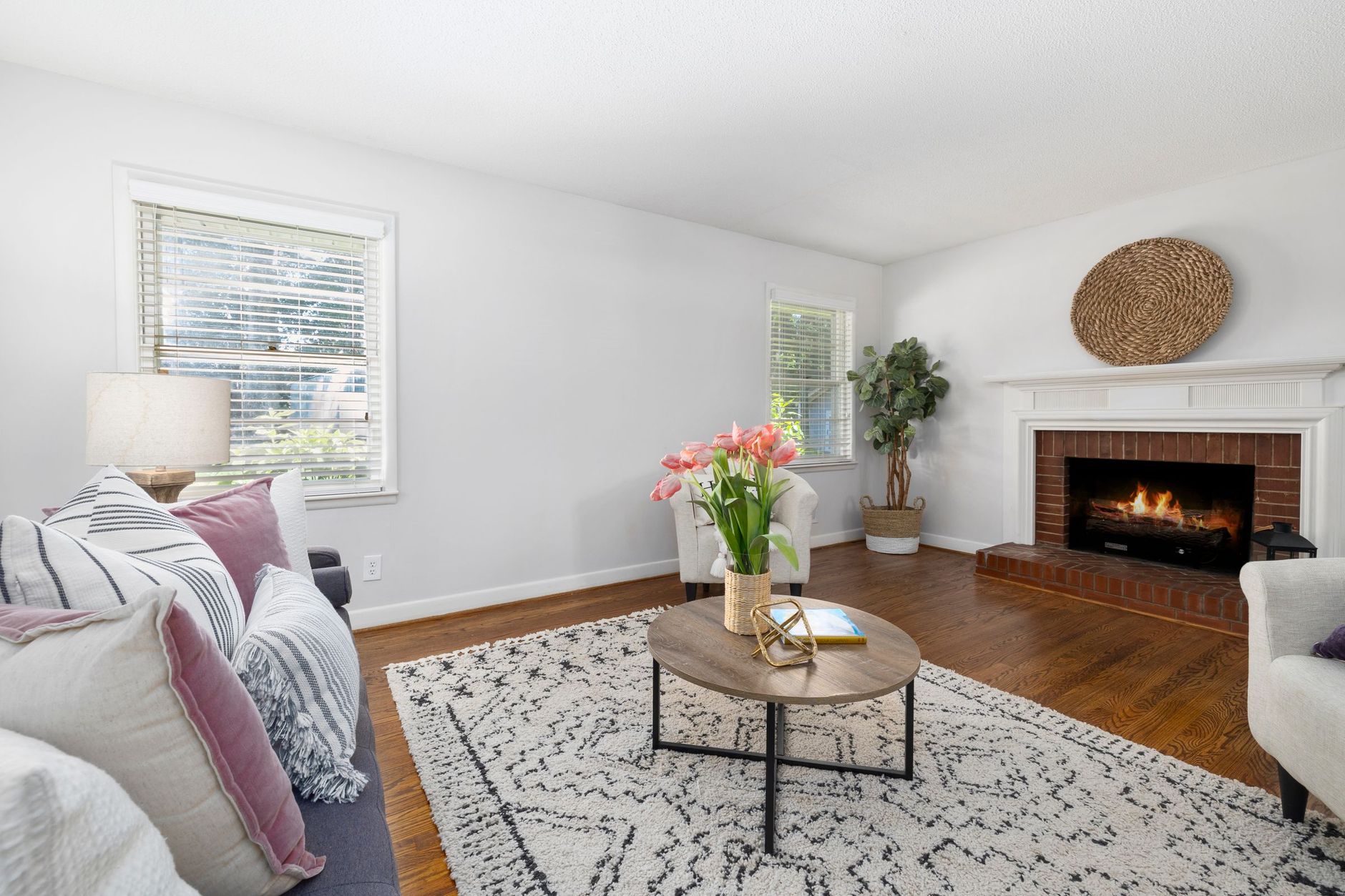

One Option at a Time
Logs, inserts and direct-vent units are explained one by one, with what each asks of the chimney and the room.
Gas Work Checked Twice
Every gas visit ends with a leak check on the fittings and a carbon monoxide reading in the room.
Rooted in Rosemead
We work out of Rosemead and keep our focus on Temple City, Baldwin Park and the City of Los Angeles.
Figures Written Down
Published prices sit on this site. Everything else gets a line-by-line written figure before work starts.
Woodpile to gas flame, in five moves
We size the fireplace, show you the choices with their figures, and install the one you pick. Nothing goes ahead without your say.
Tell Us the Fireplace
Use the form with the address, what burns there now and what you would like burning there next. A line about the room helps us plan.
We Ring to Set a Visit
Someone from our office calls back to pick a morning or afternoon and to ask how easy the roof is to reach.
Measure and Look
At the house we size the opening, test the damper, look up the flue and find the gas supply nearest the hearth.
Choices Side by Side
You get each option written out: what it asks of the chimney, how it looks and a figure for it.
Install and First Fire
Once you pick, we install, run the first fire together, walk you through the controls and note a CO reading on the report.
Costs, choices and no-burn nights, answered plainly
What Rosemead owners tend to ask before they book a measure, in a few lines each.
Where is Grimes Chimney Group based?
In Rosemead, in the west San Gabriel Valley. Temple City, Baldwin Park and the City of Los Angeles are our other focus cities, and the area pages list the rest of the places we drive to.
Gas logs, an insert or a direct-vent unit: which fits my house?
Gas logs keep the fireplace as it is and look the most like wood, but much of their heat still leaves through the flue. An insert seals the opening behind glass and warms the room; it needs a liner to the top. A direct-vent unit can go on a wall with no chimney at all. The firebox, the flue and how you want to use the heat decide it, so we measure before recommending.
What does a gas insert cost?
Set into a fireplace you already own, $2,900 to $5,800 installed. Most of the spread is the unit you choose, how tall the chimney is and the distance to the nearest gas pipe. A direct-vent unit built into a new spot runs $4,600 to $9,250, since it adds framing, a wall or roof vent and finish work.
Can a gas fireplace run on a no-burn day?
Yes. Rule 445 limits wood fires when the air district forecasts poor air, and it does not apply to natural gas. Homes in this valley fall under the South Coast AQMD, so a gas unit lets you keep a fire going on those winter evenings. That rule is one of the common reasons owners here convert.
Does the flue need sweeping before gas logs go in?
Yes, when the fireplace has burned wood. Tar and soot left in the flue do not leave when the fuel changes, and the damp exhaust from gas can loosen them. A sweep and a look at the flue come before the burner is set.
My gas fireplace pilot keeps going out. What is usually wrong?
Usually the thermocouple or thermopile sitting in the pilot flame has worn out, so the valve no longer gets the signal that gas is lit. Next on the list are a dirty pilot, a draft coming down the vent and a tired valve. We meter each before swapping anything.
There is a gas smell near the hearth. What now?
Do not light anything or touch switches. Leave with everyone, and from a neighbor's yard call your gas utility or 911. Once the line has been checked and declared safe, book us for the fireplace side of the repair.
Do I need carbon monoxide alarms with a gas fireplace?
Yes. A gas appliance, any fireplace or a garage built onto the house each brings a home under the state CO alarm law. Fit one outside each sleeping area and one on every floor. We also take a CO reading in the room at every gas visit.
Which inspection level should I book?
For a fireplace you use each winter with nothing changed, Level 1 at $56 is enough. A sale, a quake, a chimney fire or a change of fuel are the times to step up to Level 2 at $405, which adds recorded video of the flue. Both come from NFPA 211. A third level cuts into finished surfaces, and we only raise it when the video leaves a question nothing else can answer.
The house has two fireplaces. Can one go gas and one stay wood?
Yes. Every opening has its own flue, so each can be set up for its own fuel. Plenty of owners convert the family room and keep the living room for wood. We look at both on one visit and price them separately.
How do you price brick and mortar work?
On paper, after a visit. Masonry cost turns on how many joints have failed, how tall the stack is and whether the damage stops at the face or runs deeper. Every item gets its own line so you can see where the money goes.
Can I have a gas fireplace where there is no chimney?
Yes, with a direct-vent unit. It draws air in and sends exhaust out through one pipe in an outside wall or the roof, so no masonry is needed. Built into a new spot, it runs $4,600 to $9,250 installed.
Wondering about something else on your fireplace?
Ask UsFrom Rosemead: the woodpile out, a gas flame in.
Ask for a measuring visit
Choose the service and leave a number. We call back to agree a day.